







By Sydney Keya and Nokwanda Ncwane
Condolences have been pouring in for Durban cyclist Wessel van Dyk, who died after an alleged head-on collision with a drunk driver while cycling along the city’s beachfront.
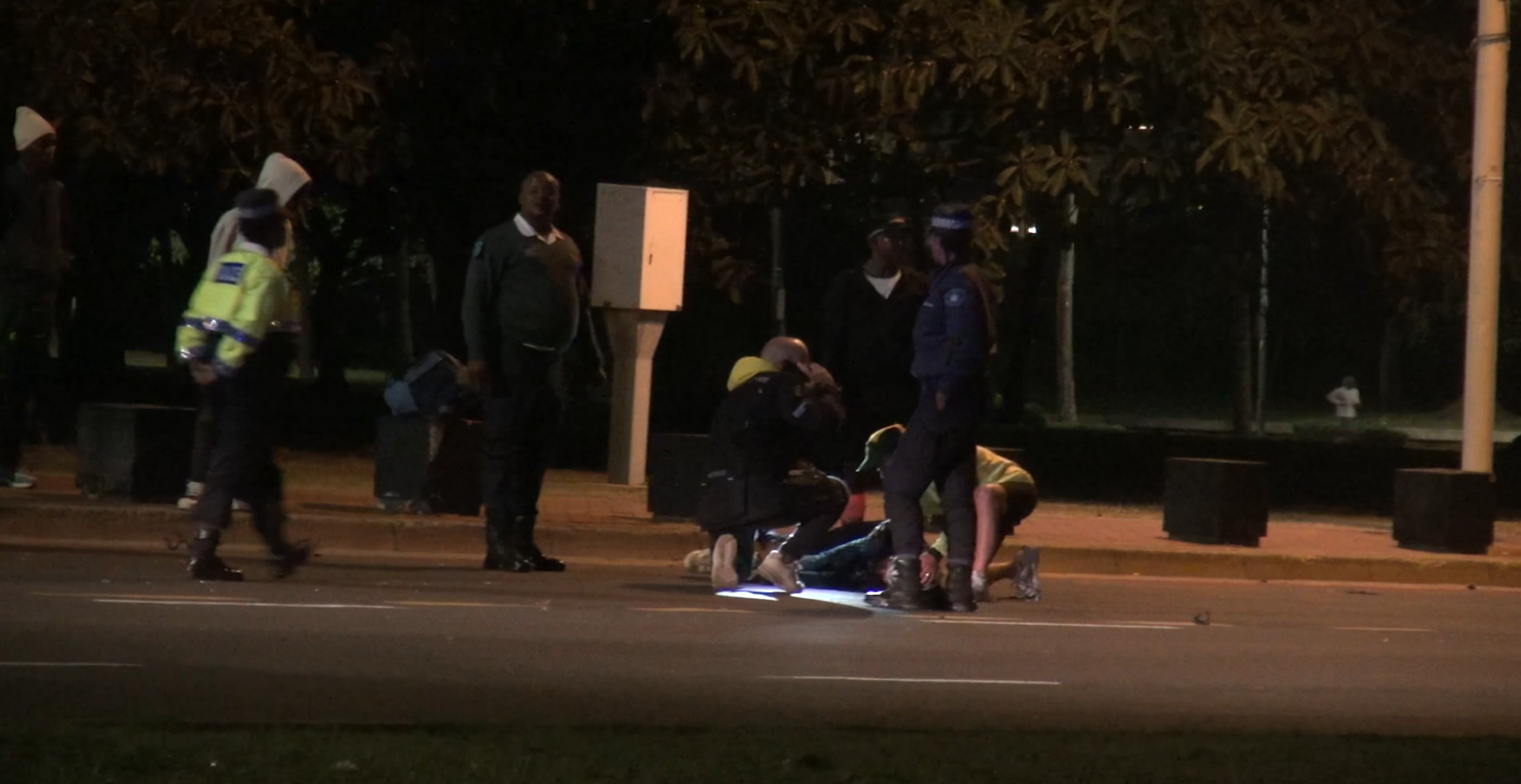
The crash occurred on Saturday morning while he was training. According to Independent Online (IOL), Van Dyk was struck by a vehicle that was allegedly travelling on the wrong side of the road. He was rushed to hospital but succumbed to his injuries in the early hours on Sunday.
The alleged drunk driver has reportedly been arrested.
The tragedy has sparked an outpour of grief from friends, colleagues and members of the cycling community, who remembered Van Dyk as a kind, humble and respected individual.
His colleague, Joanne Clarke de Freitas, said he would be sorely missed by everyone who had the privilege of knowing him, particularly his colleagues at Dunlop Tyres.
“Rest in eternal peace, Wessel van Dyk. You will be sorely missed by all who had the privilege of knowing you, especially your colleagues at Dunlop Tyres. You leave a gaping hole in all our lives.
“Sending huge amounts of prayers, love and thoughts to your two beautiful daughters and your family. I’ll see you again.”
Neerashni Mahabir described Van Dyk as one of the calmest and most patient people she had ever worked with.
“He always had a gentle presence and treated everyone with kindness and respect. He will be greatly missed. My sincere condolences to his daughters, his loved ones and his Dunlop family.”
Morne Coetzer also paid tribute to Van Dyk.
“Terrible news. He was such an incredible human. I only have fond memories of him. Rest in peace, Wessel.”
Derrick Gouws remembered Van Dyk as a respected figure in the tyre industry.
“My deepest condolences to Wessel’s family. This man was one of the greats in our industry. He taught us all so much and was forever a gentleman. Rest in peace.”
Van Dyk’s death has once again highlighted the dangers cyclists face on South African roads. Cycling organisations have long called for greater awareness among motorists, improved cycling infrastructure and stricter enforcement against reckless and drunk driving.
According to Arrive Alive, cyclists pose little threat to motorists and, as a result, drivers may be less aware of them on the road. The road safety organisation says speed is one of the biggest factors in determining the severity of a collision involving a cyclist. If the impact speed exceeds 45km/h, there is less than a 50% chance that the cyclist will survive. Even at lower speeds, cyclists can sustain serious or life-threatening injuries.
Arrive Alive also notes that while helmets provide important protection, helmet use varies according to age, gender and location. The organisation says effective speed management is essential to creating a safer road system that protects vulnerable road users, including cyclists.