






By Nokwanda Ncwane
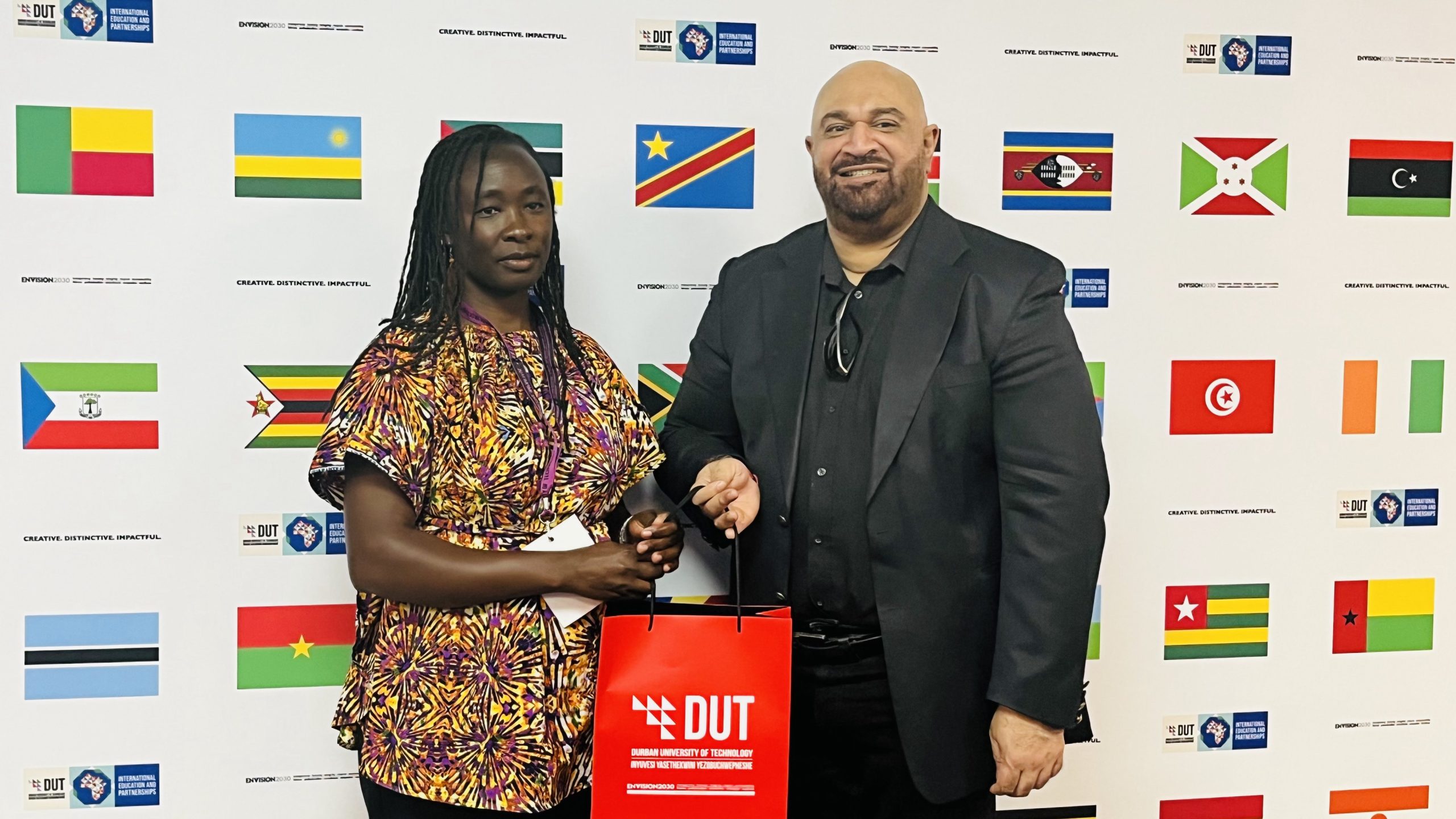
Collaboration and internationalisation are key to exposing university students to different cultures, experiences and perspectives, helping prepare them to become globally minded citizens, speakers at the Durban University of Technology’s (DUT) International Week have said.
Held under the theme “Inclusion, Innovation and African Agency,” this year’s International Week brought together academics, researchers, students, international partners and representatives from higher education institutions across Africa and around the world.
The week focused on the transformative role of international education in an increasingly interconnected and rapidly changing global landscape.
It also provided a face-to-face platform for participants to connect with DUT’s “glocal” community a network that links local priorities with international partnerships while identifying opportunities for sustained collaboration, knowledge exchange and mutually beneficial partnerships.
Delegates focused on the changing landscape of internationalisation, then on Day Two, examined partnerships, research collaboration and innovation.
Today’s speakers explored Collaborative Online International Learning (COIL) and virtual education in practice.
Professor Jackline Nyerere from Kenyatta University in Kenya highlighted the role of technology in creating opportunities for international learning, collaboration and knowledge exchange.
Nyerere, who leads the university’s Green Education Hub, which provides a platform for young people and students to take climate action and contribute to sustainable development, also outlined the work of the Centre for Education and Sustainable Development in Africa (CESDA).
CESDA is an international network with regional chapters in countries including Ghana, Nigeria, South Africa, Tanzania and Zambia. The network seeks to strengthen the role of higher education institutions in advancing the Sustainable Development Goals and broader sustainable development initiatives across Africa.
The focus on international collaboration comes as higher education institutions increasingly seek to equip graduates with skills that extend beyond their local environments.
Through initiatives such as COIL, students can participate in international learning experiences and collaborate with peers at institutions in other countries without necessarily travelling abroad.
For DUT, the International Week provides an opportunity to strengthen existing relationships while identifying new partnerships that could benefit students, academics and researchers through collaborative teaching, research, innovation and knowledge exchange.