


By Nokwanda Ncwane
Last week, I logged on to X (formerly Twitter) to check the latest news when I came across a video of actress and businesswoman Dineo Langa advertising an alcohol brand, The Glenlivet. What caught my attention was that the advertisement featured imagery from the 1956 Women’s March. I paused and asked myself: What does alcohol have to do with such a significant part of South African history?
On 9 August 1956, approximately 20 000 women marched to the Union Buildings in Pretoria to protest against the extension of pass laws to Black women. The historic march became a defining moment in South Africa’s struggle against apartheid and is commemorated every year as National Women’s Day.
A few hours after seeing the advertisement, social media was abuzz with people asking themselves the same questions I had.
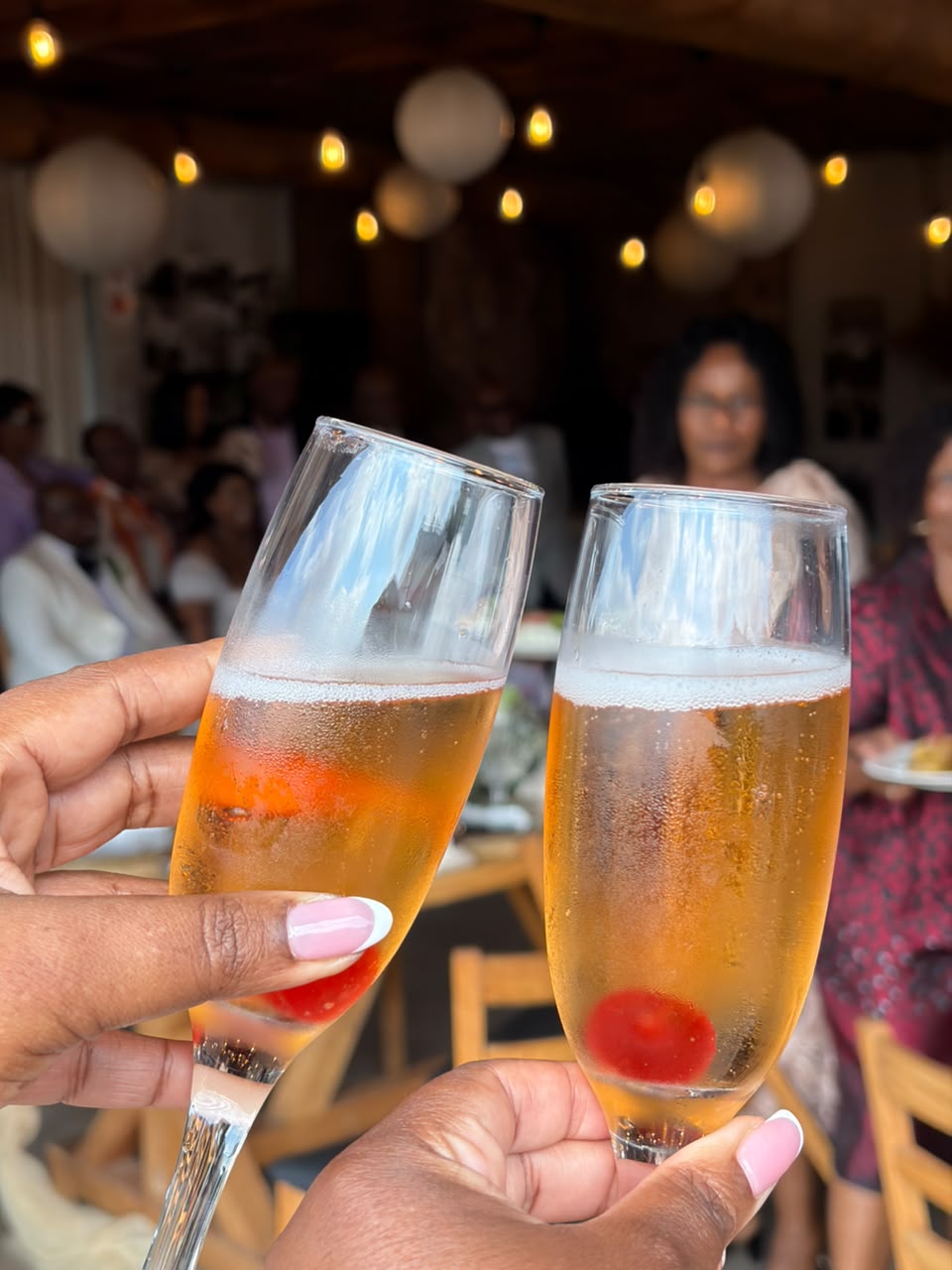
The Glenlivet advertisement, together with Brutal Fruit’s “Pink Table” events featuring public figures such as Bonang Matheba and Pamela Mtanga, made me ask: why is alcohol increasingly being packaged as empowerment, sisterhood, luxury and self-care? Is there an agenda to target Black women in South Africa?
There are a litany of examples that raise questions about how alcohol is marketed in our communities.
In 2023, Gauteng Premier Panyaza Lesufi was criticised on social media and by social justice organisations such as the Soul City Institute following the Gauteng government’s partnership with Heineken South Africa for its “Taverns of the Future” initiative, which aimed to transform taverns in townships.
While it was framed around improving the safety and appeal of taverns, I questioned whether making drinking establishments more attractive was the answer for communities already struggling with alcohol-related social problems.
This was particularly concerning given the timing ahead of the 16 Days of Activism for No Violence Against Women and Children. Whose interests were being considered when the initiative was conceptualised and approved?
As someone born and bred in Umlazi, a township in the south of Durban, I have witnessed first-hand the impact of alcohol use on individuals, families and society. I have witnessed a man gouge a woman’s eye because she did not want to go to his place after a night out drinking. I have seen people lose their jobs because they repeatedly reported for work while excessively drunk, and I have witnessed people’s health deteriorate because of alcohol use.
I decided from a young age that I would not drink alcohol, and I do not regret my decision. However, I worry that the positioning of certain lifestyles used in advertising campaigns and the use of influencers to promote alcoholic beverages could make it increasingly difficult for young people to resist drinking responsibly or consuming alcohol entirely.
This is particularly concerning when schools, churches and communities are surrounded by taverns. The awarding of liquor licences to establishments near schools is another issue that requires greater scrutiny.
Who can forget the Enyobeni Tavern tragedy, where 21 young people died during a “pens down” party in June 2022 in the Eastern Cape?
The tragedy exposed serious concerns about underage access to alcohol and failures in enforcing liquor laws. The tavern owners were found guilty of selling or supplying liquor to youths under 18. In July 2026, an inquest found prima facie evidence that the tavern owners and other role-players may have contributed to the deaths through acts or omissions.
South Africa has a serious relationship with alcohol. According to the Department of Social Development, South Africans spent R7.7 billion on alcohol between 25 December 2024 and 1 January 2025. The World Health Organization estimates global alcohol consumption at about 5.5 litres of pure alcohol per person annually, compared with about 7.8 litres in South Africa, according to Daily Maverick.
Year after year, SAPS crime statistics also highlight the relationship between alcohol and social ills, including gender-based violence.
Back to the Glenlivet advertisement. The social media post has since been taken down, and the company and Langa issued a joint apology. The ANC was among the political parties that condemned the advertisement and called for its withdrawal.
The party said it recognised the importance of preserving the contributions of liberation stalwarts but strongly objected to using this chapter of South Africa’s history for commercial purposes.
“The women of 1956 were not cultural props or marketing symbols; they were fearless leaders whose sacrifices and struggles helped secure the freedom and democracy that South Africans enjoy today.”
The ANC also highlighted the contributions of Lilian Ngoyi, Rahima Moosa, Sophie de Bruyn and Winnie Madikizela-Mandela.
On this point, I agree with the ANC. The advertisement did not do justice to the legacy of these women, whose historic march remains one of the most significant moments in South Africa’s struggle against apartheid.
More importantly, the controversy demonstrates how easily alcohol advertising can appropriate symbols of women’s empowerment and liberation and turn them into marketing tools.
It raises a broader question: when alcohol is packaged alongside ideas of empowerment, sisterhood, beauty, luxury and independence, where do we draw the line between advertising and the normalisation of alcohol consumption?
Given the negative impact of alcohol abuse in our society, I believe there should be stronger regulation of alcohol advertising, particularly regarding influencers, celebrities and imagery associated with empowerment. Liquor trading licences, especially for establishments near schools, also require greater scrutiny.
South Africa cannot continue to treat alcohol abuse as merely an individual problem while allowing alcohol to be marketed as an essential part of having fun,success and belonging.
Perhaps the question is no longer simply: “What does the 1956 Women’s March have to do with alcohol?”
Perhaps we should be asking: Why have we allowed alcohol to become so deeply embedded in our ideas of celebration, empowerment and social success?
Nokwanda Ncwane is a student at Durban University of Technology, studying towards the Bachelor of Journalism Honours degree. The views in this opinion piece are expressed in her personal capacity.
