


By Sizwe Ntshololo
As South Africa prepares for the November 4 local government elections, questions remain about whether women are adequately represented in municipal leadership, despite progress in national politics.
This year marks 70 years since 20,000 women marched to the Union Buildings on August 9, 1956, protesting against the extension of pass laws to women under apartheid. Among those who led the historic march were Lilian Ngoyi, Helen Joseph, Sophie Williams-de Bruyn and Rahima Moosa.
While women have made significant gains in political representation, challenges remain. Statistics South Africa reported that women’s representation in Parliament increased from 33% in 2004 to 42.8% in 2024. In the National Council of Provinces, representation rose from 41% to 44.4% over the same period.
However, local government remains male-dominated. In 2022, men occupied approximately 68% of mayoral positions, while women held only 32%. KwaZulu-Natal and the Free State also recorded low representation of female councillors.
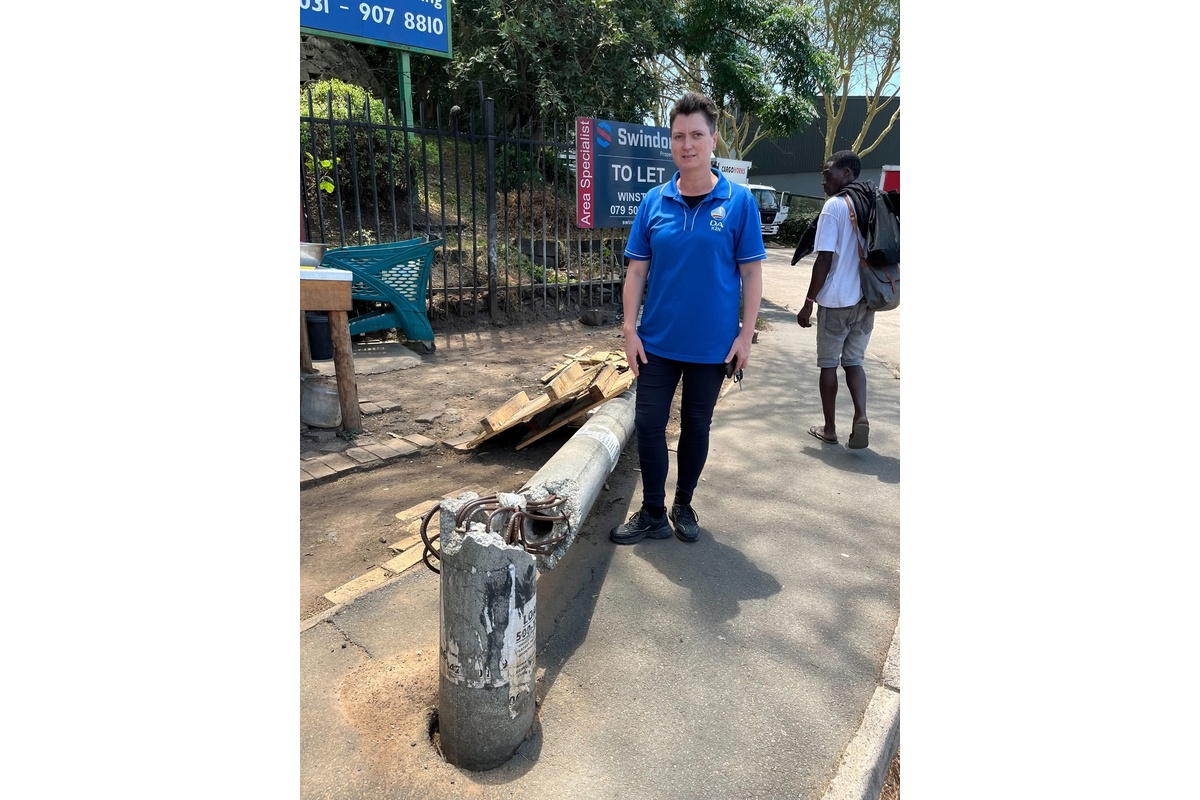
Democratic Alliance (DA) Ward 110 proportional representation councillor Rowena Bosman is encouraging more women to participate in politics and pursue leadership positions.
Bosman believes leadership should be determined by ability, commitment and a willingness to serve rather than gender.
“Put up your hand and get involved in serving our communities. In 1956, 20,000 women marched for our freedom, and we need to continue building each other up and creating opportunities for people to get involved,” she said.
Bosman said she had not experienced gender-based challenges since entering politics, crediting mutual respect and collaboration with colleagues for her experience.
Women’s voices needed in decision-making
Megan Claassen, public relations officer for Community Police Forum Sector 3, Sub-Forum 4, in Durban North, believes greater female representation in local leadership could help address challenges affecting women and their communities.
She said women’s organisations, community groups, activists and volunteers often understand residents’ needs because of their daily involvement in community work.
“Local governments can achieve far more by listening to these groups and treating them as partners rather than stakeholders to be consulted,” Claassen said.
She added that women’s experiences should influence decisions about infrastructure and service delivery, particularly because inadequate lighting, water, electricity and transport can create safety risks for women and children.
Research by BK Majola, published in 2019, found that women contesting leadership positions often face discrimination from political party leaders, family members and their own communities.
The study recommended that political parties strengthen women’s participation at all levels, provide resources and mentorship for female candidates, and use quota systems to improve representation.
Unemployment remains a major concern
For Siyathokoza Zuma, a young woman from Stanger, the lack of women in leadership contributes to a feeling of inadequate representation.
She believes job creation, support for women-owned businesses and opportunities for women of all ages should be priorities for political parties.
“In my area, unemployment affects women the most. Many of us try to start small businesses to survive, but income is not stable and some months are harder than others,” Zuma said.
She called for funding, mentorship and improved access to markets for women-owned businesses, as well as employment opportunities that do not exclude women who are older than 35.
Zuma said she would have greater confidence in political candidates who presented practical solutions to unemployment and prioritised the needs of local communities.
Meanwhile, Minister in the Presidency Khumbudzo Ntshavheni has acknowledged a decline in women’s representation in Parliament from the 50% mark.
“We regret that representation has declined, and we are challenging political parties to make sure that their representation in Parliament includes women and ensures equal representation,” Ntshavheni told SA News.
The African National Congress Women’s League (ANCWL) has also intensified efforts to increase women’s participation in political leadership in KwaZulu-Natal.
According to The Witness, the league launched a provincial mobilisation programme in May 2026 to encourage women to participate in party nomination processes and public meetings where councillor candidates are selected.
ANCWL secretary-general Nokuthula Nqaba said women demonstrate leadership through their contributions to families and communities.
“They lead families, sustain communities, and carry the burden of social development every day. It is therefore unquestionable that women possess the strength, discipline, and compassion required to lead municipalities effectively and improve service delivery,” Nqaba said.
As South Africa approaches the local government elections, the challenge remains to translate progress in political representation into greater participation in municipal decision-making.
Seventy years after the historic women’s march, women continue to call for equal opportunities to lead, influence policy and improve service delivery. Political parties, government institutions and communities have a role to play in supporting and mentoring women so that municipal leadership better reflects the communities it serves.
