


By Janelle Govender
For years, Nkanyiso Patric Mchunu chose not to vote because he believed political parties made promises they failed to keep.
“I’ve always felt like I can read through the lies in every manifesto,” he says, adding that voting never seemed to change anything in his community.
This year, however, Mchunu has decided to participate in the local government elections, despite remaining sceptical about politicians.
“I know I need to do better,” he says. “I don’t want to keep using that as an excuse to not take part.”
First-time voters learning what their vote means
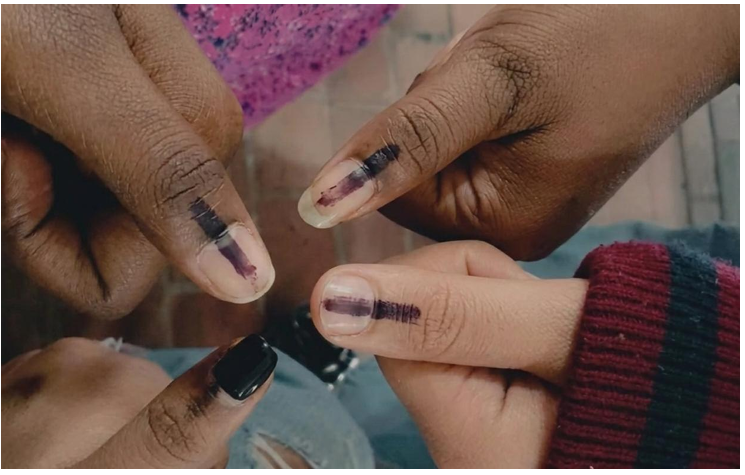
As South Africa prepares for the 4 November local government elections, young people are approaching the ballot box with different levels of political knowledge and understanding.
For Avuyile Dube, voting for the first time is an opportunity to influence decisions affecting her community.
“It is quite an honour, and I am really excited to vote,” she says.
Although Dube admits that she does not fully understand local government’s responsibilities, she has been researching political parties, their records and speaking to family, friends and community members to make an informed decision.
Poor service delivery, water shortages and power outages are among the issues influencing her choice.
“Service delivery, such as water, sanitation, electricity, roads, refuse collection and so on are very important issues when deciding who to vote for,” she says. “It affects our daily lives and our daily routines.”
Dube also questions whether young people understand the importance of voting or simply believe it is something they must do when they turn 18.
Another first-time voter, Anele Amahle Kunene, says her decision to register was initially influenced by others. She later realised that her vote could make a difference and began following current affairs through news and social media.
However, she admits that her understanding of local government remains limited.
“I know the light stuff like fixing infrastructure. Other than that, I know nothing.”
Kunene also encountered misinformation during voter registration, including claims that people who do not vote could lose access to jobs and grants, or that their votes would automatically go to the ruling party.
The Electoral Commission of South Africa (IEC) chairperson, Commissioner Mosotho Moepya, emphasised the importance of voter education during an IEC media briefing on 7 August, highlighting the need to ensure meaningful participation.
Meanwhile, Josiah Naidoo, who has voted before, admits that he does not follow politics closely. However, he recognises that political decisions affect the water, electricity, infrastructure and employment challenges communities face.
Political commentator and economics reporter Enzokuhle Sabela argues that simply casting a ballot does not make someone an informed voter.
He encourages young people to assess which candidates are best equipped to address their communities’ problems rather than choosing based on appearance or political messaging.
An informed voter, he argues, must look beyond campaign promises and understand what is happening around them.
Accountability must continue after elections
Shallcross community activist Sumaya Arumugam has witnessed the consequences of limited community participation.
Her involvement in activism began after attending a community meeting with her father and noticing how few young people were present. She later became chairperson of the Shallcross Youth Forum and joined the eThekwini Ratepayers Protest Movement, where she represents residents and raises service delivery concerns.
These include water leaks, burst pipes, sewer overflows, power outages and damaged roads.
Arumugam recalls a sewer overflow first reported by a resident in 2023 that remained unresolved, eventually becoming a serious hazard. After visiting the site with the resident and escalating the issue to municipal departments, they were able to identify the problem and hold the relevant department accountable.
“People do not expect perfection. They expect accountability, communication and visible progress,” she says.
Arumugam believes young people need practical civic education that explains the responsibilities of councillors and municipalities, as well as how residents can hold elected representatives accountable.
“Don’t just tell young people to vote. Explain what they are voting for, what councillors actually do, what municipalities are responsible for and how residents can hold elected representatives accountable,” she says.
Social commentator, writer and political economist Ngo Dube summarises the challenge: “South Africa may be producing voters faster than it is producing citizens.”
While voters cast ballots, active citizens understand the political system, participate in their communities, ask questions and hold those in power accountable.
The young people interviewed demonstrate different stages of political engagement. Some are researching parties and learning about local government, while others acknowledge that they need to follow politics more closely. Yet they all recognise, to varying degrees, that political decisions affect their daily lives.
Sabela believes voting is one of the easiest ways to hold government accountable, but Arumugam warns that participation cannot end at the ballot box.
“Voting is important, but voting alone will never fix a community,” she says. “It takes a community to change a system.”
She encourages residents to attend community meetings, report service delivery problems, follow up on complaints and hold elected representatives accountable.
“The message should be register, research, question and then vote,” she adds.
More than just a vote
For Mchunu, deciding to vote is not about trusting political promises but recognising that disillusionment should not be an excuse for disengagement.
His decision raises a broader question for young South Africans: do they understand who they are voting for, what those elected representatives are responsible for and how to hold them accountable afterwards?
Casting a ballot may take only a few minutes, but becoming an engaged citizen requires continued participation long after election day.
