


By Prudence Mathenjwa
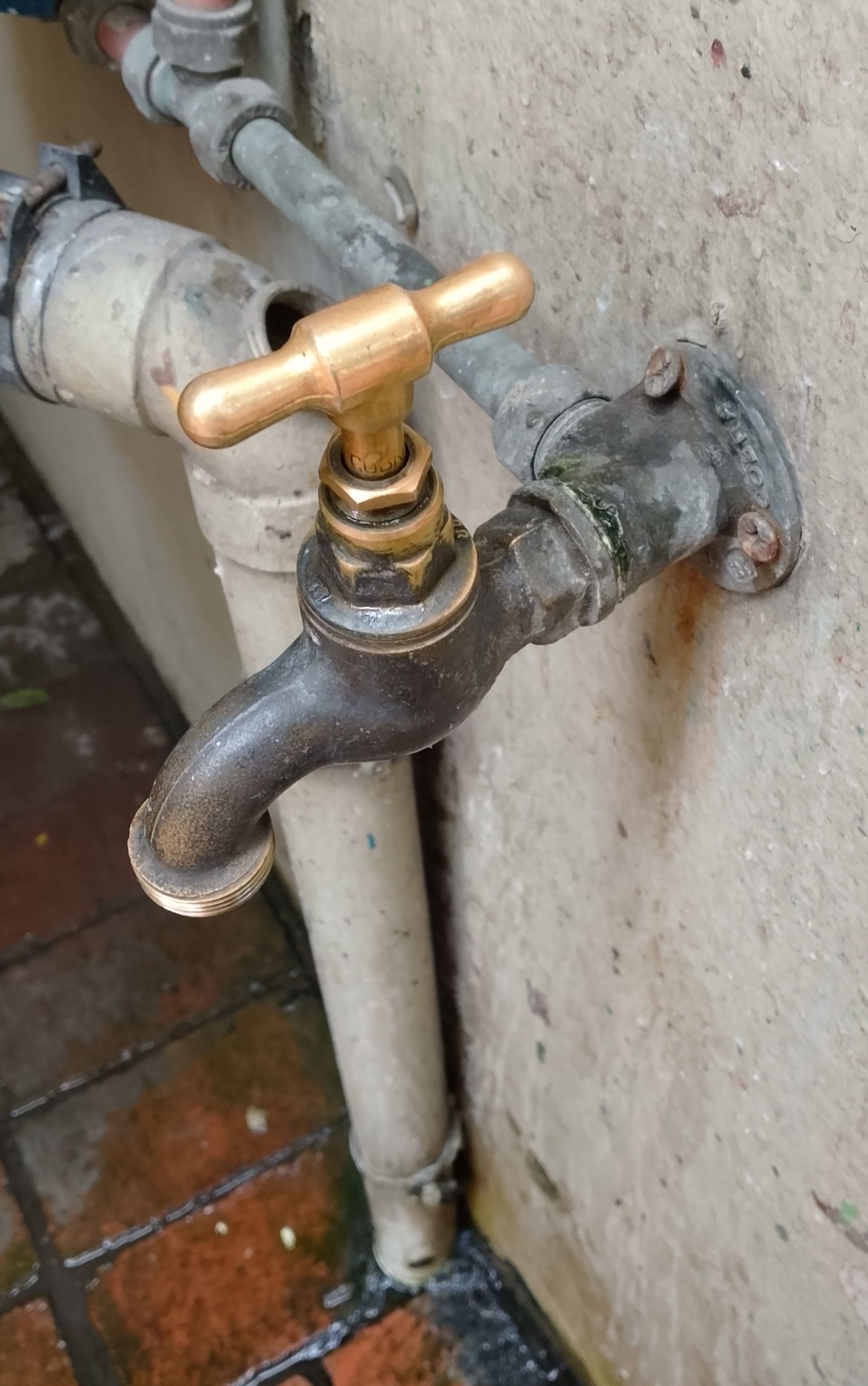
As the sun rises, residents of Esikhawini wake up to store water in buckets, bottles and jugs to make sure that when the water cuts off before midday, they have enough to keep the households running throughout the day.
As the South African local government approaches, many of these residents are questioning if their votes are still impactful enough to change the situations that they face daily living in this township.
South Africa is preparing to hold the 2026 Local Government Elections (LGE) on the 4th of November later this year. These democratic elections are held after every five year period with help of the Electoral Commission of South Africa (IEC).
This independent voting organising body there to ensure it “delivers free and fair municipal
elections”. The LGE are very important democratic elections as they are responsible for choosing local councillors, local and district municipal mayors and other municipal representatives and leadership. These structures of governance serve communities and residents with daily services such as water and sanitation , electricity supply, local roads repairing, and refuse collection. They also take care of community facilities such
as clinics, libraries, public pools, and parks.
For the residents of this town these elections hold a key that will open doors for them when they need services from their chosen leaders. Whomever they will chose this time around, will also hold the key to how their daily lives look like. However, for senior resident Wilfred Gumede hope for change happening is becoming dimmer by the years. Gumede has been a resident of this town for over four decades, living in an informal part of the town called Mzingwenya under ward 17. He recounts how he remembers the town now filled with many suburban homes was once a large sport field for boys, cows were grazing there, some residents were farming traditional mat stitching grass and the rest was forestry.
A very tiny portion of the developed part starting from the now J2 section to the J1 section. There was no official municipality handling things there. However later, there were small organisations such as ‘ZG’s (Zulu Government) that would install tents to speak to residents sometimes and managed to install one tap in each community to supply water to everyone.
“We did not have water at that time. We would have to fetch water from the rivers and streams”, he said.
These were the only parts of the town that had water and electricity.
Meanwhile, the other side had remained rural by fetching water from the river and fire wood to cook.
“It’s only the other side which was the J2 section onward that had electricity, we were the ‘dark city’ of the town”, he explained.
He recounts how the democratic government came into power in the year 1994 and started making promises to them of building them houses which was the biggest topicof discussion. They promised provide electricity, water and sanitation.
They eventually installed some water taps, not in each how but in few chosen places in the areas of the town. The residents had to buy their own pipes to connect the water supply from the main pipes to their homes. Msizi Mbambo also complains about the is of water cut offs that he says happens non-stop on a daily basis.
“The biggest challenge we are currently facing is the water issue, we are not receiving a clear feedback from the municipality on what causes us to have water for 24 hours. When you do get water, it gets cut off at a certain time daily in a continuous and unsteady cycle.” He lamented.
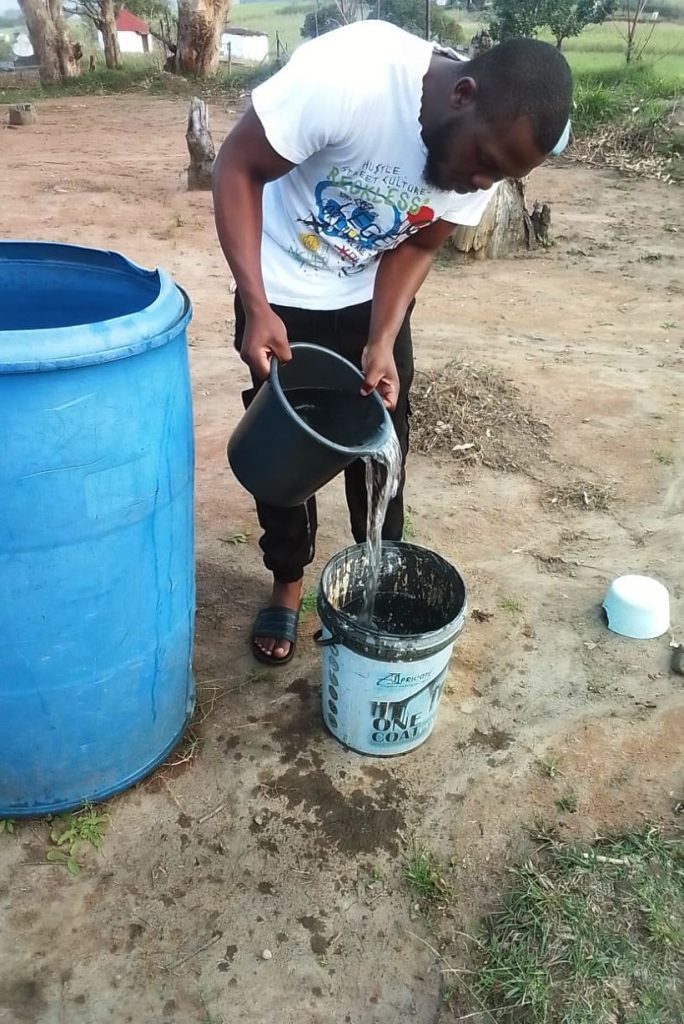
The water is one the town’s biggest challenge for over a five years, the residents having been receiving less water service and sometimes taps ending up dry for days of weeks recurring. Just recently in the July winter holidays, residents were surviving only little water storied in containers that they have in their households to survive.
Ward 17 Councillor Nomthandazo Blose who has been serving this big chunk of a ward made up off the Tisand, Hlamvana, UMzingwenya, and Bajabulile explains the situation.
“Some parts of the Mzingwenya area do not have water, I tried to get help from the municipality to install tanks in those parts but to no avail”, she laments.
She says that the reports that she received from previous councillors about these parts, is that they last saw water coming from their taps since the year 2006. As a councillor she had to take an initiative to write to the local Built Rite store to ask for a donation of some tanks. When the six tanks came, she had to use her own money to buy taps and build concrete foundations for the tanks to sit.
She mentions that even she herself living as a resident in the inner suburb part of the town has no water on a daily basis. The water flow is very low, and if you did not bath or collect water on very early in the morning you will face a problem because the water will be back in the evening. With the problem having surged in 2021, the mayor promises to fix early but he has been unable to do so till this day.
Mbambo describes that despite the town having a lot of crime happening, it is still a good residential area with most of the basic convenient amenities such as a mall which creates job opportunities for residents and also enables them to shop everything nearby without travelling to neighbouring city malls such Richards Bay and Empangeni which is costlier.
There is a huge cemetery plot of land nearby to bury loved ones should they depart. A police station is there, clinics, schools, a college, and a fire extinguisher unit in the J1 section. This are things that he counts as important in make life better living in the Esikhawini town.
He laments about the growing crime that he has seen happening in the town as the years’ progress. He believes that increase of industrial firms that were built over the years made people move from other places to live in the town. Some came for employment opportunities, while some were drawn the by the increase in the
recognition of the informal lands of the town which is being sold and bought non-stop.
This population increase is makes him believe that its contribution in the increase of crime in the town which crimes such car hijackings, murders and heists that he mentions have happened in the town’s mall.
The youth is also moving neighbouring towns and cities to find employment as the cannot find jobs in the town. Goodness Mthethwa a Business Management and Accounting degree graduate from the University of Zululand is now working as a security guard in Durban after spending four years of employment at home after
graduation.
“I had to make a plan fast, my family needed me and I had to take a step and face
living in Durban alone as a women”, she explains.
The town that was one designed to house black workers to be closer to work in the industrial companies of Richards Bay and Empangeni can no longer sustain it’s residents with employment opportunities.
The councillor expands on the redential issues that affect the Mzingwenya area which though now filled with many households is not suitable for people to stay there. The area is wet and muddy land which is prone to having floods. She laments that throughout the five-year term that she has served as councillor; she has been unable to take the people of this area of the ward out of their daily predicament to better
environment.
“The mayor once promised to take about a thousand people who will be getting
houses”, “I am now at the end of my term as councillor and those people still have not
received those houses”, she said.
Gumede is amongst such residents who laments having registered for a government houses three consecutive times but has not received any house till this day. He now leaves in a home he had built from scratch from his working days and has completely lost hope in the government because empty promises.
The councillor says she feels puzzled as why other wards in the province and local municipality are getting government houses. Meanwhile, her ward and ward 20 of the municipality are faces neglect on this issue.
Councillor Blose also mentioned that there is still a lot more that needs to be done, roads stills need repairs as they are very damaged. She explains that the municipality did try to make amends by putting limestone on the road but people were complaining that it is damaging their shoes.
According to the Auditor General of South Africa, UMhlathuze local municipality has maintained a clean audit record for over six consecutive years. However, the circumstances that it residents are living are contradicting it good record performance.
“I always wonder what the clean audits are about as waste bins are piling up and stinking throughout the town. At the moment water pipes are broken which I don’t know if its sabotage as they are telling us”, explains Blose.
Electricity is also very expensive, you can spend one thousand rand to buy electricity only for it to last for three days. Blose laments that residents are paying high rates to the municipality but the service they are receiving is lagging behind.
Gumede also laments the electricity outages that they face in the Mzingwenya area
for days in the area.
“Everyday we electricity gets cut off at 4pm in the afternoon and sometimes for 4 days we would not have electricity”, explained Gumede.
He says the answer that they get is that there are a lot of illegal connections in the area and that is why the municipality takes the electricity from them and those who pay for it suffer in the process.
He remembers having been part of the committee residents who working with former councillors, going door to vote. However, he eventually stopped after being let down countless times by councillors who kept on failing to keep their promises.
He says that they would only show their faces during election times and disappear from the
community out of fear after failing to keep their promises. He recounts an incident where residents had called one of the former councillors to come address an issues they had, but refused out of fear of their anger.
“We had to call the police to come to the area of the meeting so that he can comfortable to come and speak with us, it was very help for him as we were very angry that he could not even open his mouth to give us a clear answer,” explained Gumede.
He urges that councillors should be honest when they promises to residents and should not only use them when it’s time to vote.
Councillor Blose also advised residents to vote in conscience of the kind of leader they want serve them. She cautioned against vote for people who are still young and immature as the role of councillor, requires a parent figure who can be nurturing, supportive and understanding.
“Even though we support young leadership, however this needs someone who is mature and willing to serve. Either that, they younger ones can easily be swayed to spend money on themselves, buying Hennessy and all” she advised.
Esikhawini township residents are facing a number of issues that have happening throughout this government and legacies of previous one. It is up to their votes now whether the situation changes for the better or continues to get worse for the next five years.
Though disappointed by previous governance they pledge to vote in the elections to overthrow this government for a better one.
“I am definitely going to vote, we voted the liberation government into power to make us be seen as humans today. After they failed we moved on to the one that represents us as black people in KZN. Now, it is either we go back or choose another familiar one and see what they do different, there’s no other way”, he vowed.
